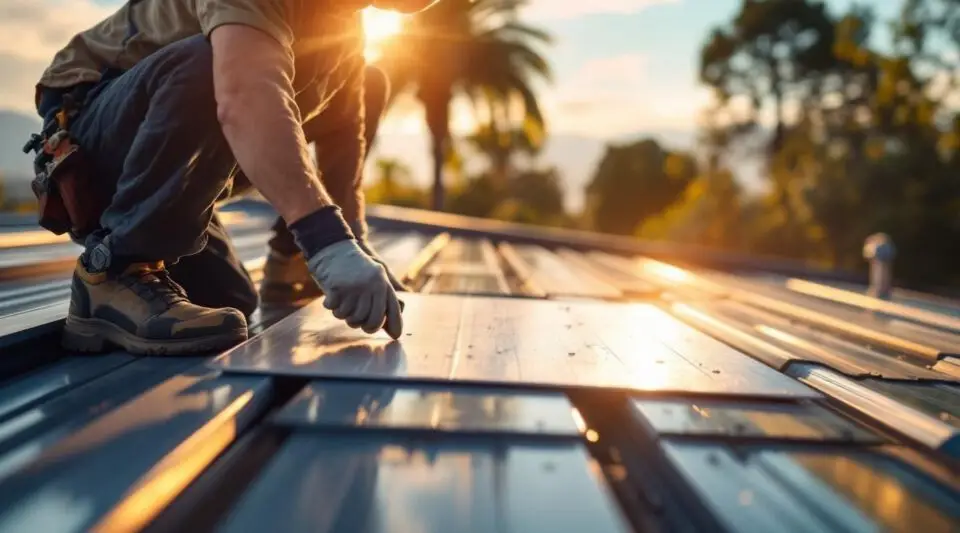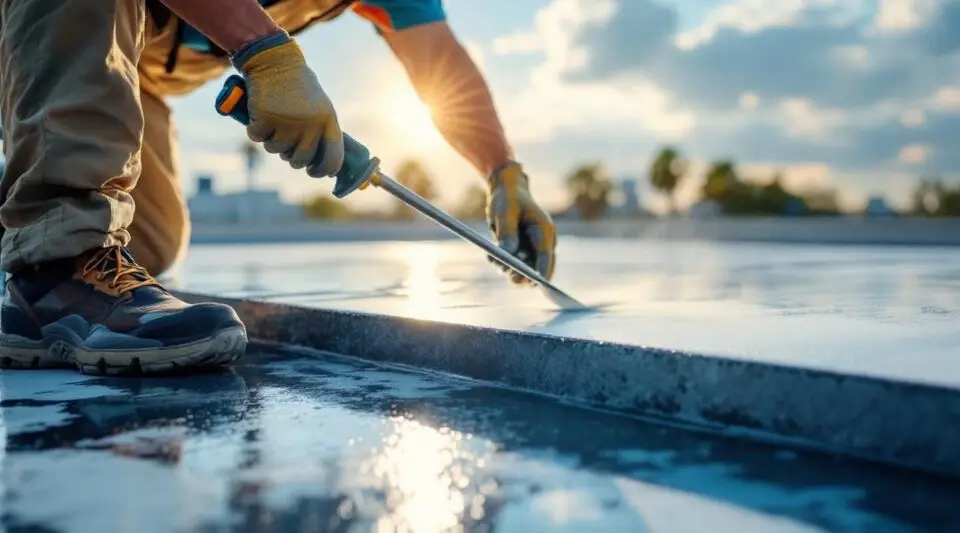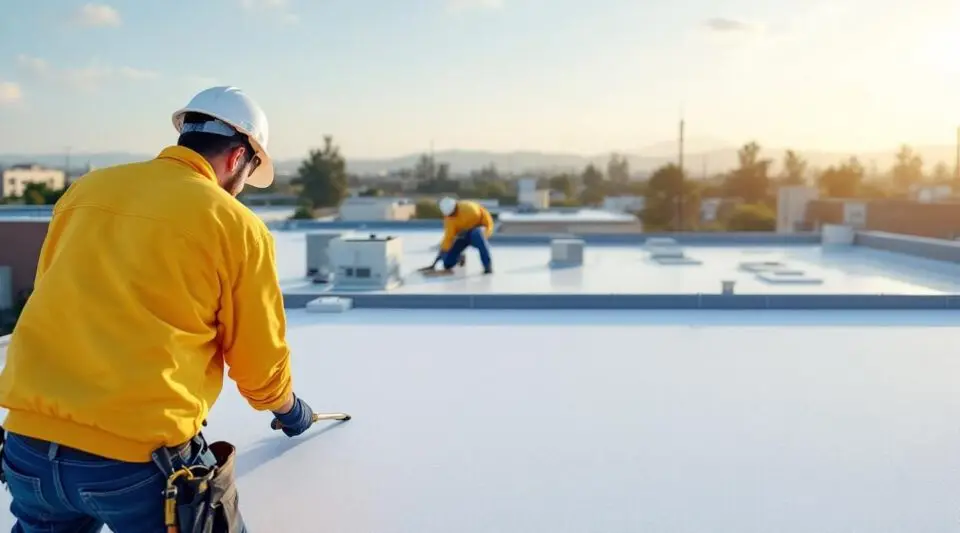

In the Willamette Valley, commercial facilities face a relentless combination of heavy winter rainfall and sudden winter freeze-thaw cycles. Protecting a flat or low-slope roofing system requires a flat roof membrane that can stretch, contract, and remain completely watertight under standing water. Ethylene propylene diene monomer, commonly known as EPDM, is a highly durable synthetic rubber single-ply roofing material that has protected Salem commercial properties for decades. At Willamette Peak Roofing, we specialize in installing and maintaining these resilient systems to keep your inventory, tenants, and operations dry year-round.
When planning a commercial roof installation, choosing the right membrane thickness is critical. While a 45-mil membrane offers a cost-effective entry point, we typically recommend a thicker 60-mil membrane for enhanced puncture resistance and longevity. Depending on your building’s structural capacity and wind exposure, our crew can install this material as a fully adhered system using high-strength bonding adhesives, a mechanically fastened system, or a traditional ballasted installation using river rock. Each approach requires meticulous preparation of the roof deck substrate to ensure proper adhesion and prevent future membrane shrinkage.
The true test of any rubber roof lies in its seams and penetrations. We use heavy-duty EPDM seam tape and specialized primers to create a chemical membrane splice that is actually stronger than the rubber sheet itself. We pay close attention to the drainage slope around scuppers and drains to prevent ponding water, which can stress seams over time. By combining proper installation techniques with high-grade commercial materials, we ensure your building remains protected against Salem’s dampest winters without premature seam failures or costly leaks.
Low-slope roofing in the Willamette Valley demands a flat roof membrane that does not just sit there—it has to actively fight off constant moisture. Ethylene propylene diene monomer (EPDM) is a synthetic rubber compound designed to do exactly that. Unlike older built-up roofs that crack under Salem’s winter freeze-thaw cycles, this single-ply roofing remains highly flexible. It stretches and contracts without tearing. If you are managing a local warehouse or retail center, you need a system that handles pooling water without instantly failing at the seams.
When you work with our crew, we help you navigate the crucial choice between a 45-mil membrane and a heavy-duty 60-mil membrane. For most commercial properties in Salem, upgrading to the thicker 60-mil option is a smart investment. It offers superior puncture resistance against falling limbs and maintenance foot traffic. We install these as a fully adhered system using specialized bonding adhesives, or as a mechanically fastened system depending on your building’s specific roof deck substrate and structural load limits.
UNMATCHED FLEXIBILITY — The rubber compound stretches up to 300% to handle Oregon's intense temperature swings without cracking.
PROVEN SEAM INTEGRITY — We use advanced EPDM seam tape and heavy-duty primers to create a chemical bond that keeps water out.
TAILORED THICKNESS — Choose between standard 45-mil and high-durability 60-mil membranes to match your building's traffic and budget.
EXCELLENT UV RESISTANCE — The carbon black formulation naturally resists solar degradation during hot Willamette Valley summers.
EFFICIENT REPAIRS — If a puncture ever occurs, patching a flat roof membrane is straightforward and highly cost-effective.
A professionally installed ethylene propylene diene monomer roof typically lasts 20 to 30 years on a Salem commercial property. The lifespan depends heavily on the membrane thickness you choose. While a 45-mil membrane is a common budget option, upgrading to a thicker 60-mil membrane offers significantly better resistance to punctures and the Willamette Valley’s winter freeze-thaw cycles. Proper drainage slope is also critical; standing water can stress the flat roof membrane over time. Regular maintenance, especially checking the EPDM seam tape and membrane splice points after heavy winter rains, will help you reach that three-decade mark without major disruptions.
For Commercial EPDM Rubber Roofing in Salem, costs generally range from $6 to $12 per square foot, though every low-slope roofing project is unique. Your total investment is driven by the membrane thickness, whether we install a fully adhered system or a mechanically fastened system, and the complexity of your roof deck substrate. If we must tear off an old built-up roof, that adds labor and disposal fees. We always recommend an in-person roof walk to provide an accurate, transparent bid. As a licensed contractor carrying an active Oregon CCB license, we ensure your project complies with all local structural codes.
When we encounter a seam failure, we don’t just slap down some cheap hardware-store sealant. We start by thoroughly cleaning the aged flat roof membrane to remove decades of dirt and oxidation. Next, we apply a specialized primer to prepare the surface. We then use heavy-duty EPDM seam tape or a new membrane splice patch to seal the gap permanently. If you suspect a leak on your low-slope roof, it is vital to act before moisture rots your roof deck substrate. You can learn more about how we handle these issues across our service line-up to keep your facility dry.
Yes, you can often install a single-ply roofing overlay to save on tear-off costs, but it depends on a few critical factors. First, local building codes enforced by the City of Salem Building and Safety Division generally limit commercial structures to two roofing layers. Second, the existing roof deck substrate must be dry and structurally sound. If there is trapped moisture or rotted wood underneath, an overlay will trap that rot and fail prematurely. We always take core samples during our initial inspection to verify if your building is a safe candidate for a direct EPDM overlay.
Both are excellent single-ply roofing materials, but they handle our climate differently. EPDM is a synthetic rubber that remains highly flexible even during freezing winter temperatures, making it less prone to cracking. It is also easier to repair as it ages. TPO, a thermoplastic membrane, features hot-air welded seams and reflects more heat, which can lower cooling costs in summer. However, EPDM has a longer track record of durability. Because Salem’s rainy season compresses the dry installation window, EPDM’s adhesive-based fully adhered system requires an experienced crew who understands local humidity and cure times.
If your low-slope roofing is showing its age or suffering from persistent seam failures, it is time to consult with professionals who understand the unique demands of the Willamette Valley climate. Our team at Willamette Peak Roofing can walk your roof deck substrate, pull core samples, and help you decide whether a fully adhered system or a mechanically fastened system with a robust 60-mil membrane is the right choice for your building. Let our crew guide you through the process with transparent pricing and clear options.
Do not wait for the next heavy Oregon downpour to test your flat roof membrane. Contact us today to schedule a comprehensive commercial roof inspection and secure a reliable single-ply roofing system that keeps your inventory, equipment, and tenants dry.
Commercial flat roofing in the Willamette Valley requires a contractor who understands how our persistent rain and cold winters impact single-ply installations. At Willamette Peak Roofing, we do not treat low-slope roofing as a side project. Our crew specializes in the precise application of ethylene propylene diene monomer systems, ensuring every membrane splice and perimeter flashing detail is executed to withstand Oregon’s intense freeze-thaw cycles. We hold an active Oregon CCB license and maintain strict compliance with OSHA fall-protection standards on every job site, protecting your business from liability.
Unlike national roofing chains that dispatch subcontracted crews, our in-house experienced technicians personally manage your project from the initial core sample to the final inspection. We know that installing a fully adhered system during a damp Salem autumn requires careful monitoring of adhesive cure times and dew points. Willamette Peak Roofing works directly with property managers and procurement teams to deliver detailed, transparent bids that cover substrate preparation, drainage correction, and manufacturer-backed warranties, ensuring your capital investment is fully protected without unexpected change orders.
We also recognize that flat roof membrane failure can disrupt your daily operations. That is why we plan our staging and material deliveries to minimize impact on your tenants, customers, and parking areas. Whether we are executing a complete 60-mil membrane replacement or converting an old ballasted installation into a high-performance adhered system, our local team delivers the clean, professional execution your commercial property demands.
In the Willamette Valley, a commercial flat roof membrane has to survive months of relentless winter rain followed by intense summer sun. If your low-slope roofing lacks a reliable barrier, even a tiny leak can quietly rot your roof deck substrate before you ever notice a stain on the ceiling. Choosing ethylene propylene diene monomer (EPDM) is one of the smartest ways to protect your building because this synthetic rubber naturally resists the expansion and contraction caused by Salem’s winter freeze-thaw cycles. When installed correctly, it prevents catastrophic water intrusion that could otherwise ruin inventory, disrupt your daily business operations, and force expensive structural repairs.
The real value of EPDM lies in how the system is put together. While some building owners try to cut corners with a thinner 45-mil membrane, upgrading to a 60-mil membrane provides significantly better puncture resistance against falling branches and foot traffic during HVAC maintenance. If you use a fully adhered system, the rubber is glued down flat across the entire deck, which eliminates the wind-uplift risks common with a ballasted installation on older Salem warehouses. Our experienced technicians pay close attention to every membrane splice and termination bar, preventing the common issue where the rubber shrinks and pulls away from the parapet walls over time.
Neglecting your flat roof eventually leads to seam failures, especially when contractors use cheap, incompatible sealants that degrade under standing water. By investing in professional installation with heavy-duty EPDM seam tape and proper drainage slopes, you ensure your roof remains watertight for decades. This proactive approach saves your procurement team from dealing with emergency leak repairs during a mid-January downpour, keeping your capital expenditures predictable and your tenants safe.

Managing a commercial property in the Willamette Valley means constantly preparing for rain.
Learn more
In Salem, commercial properties face a relentless cycle of heavy winter rains and damp, overcast seasons that accelerate wear on traditional flat roofs.
Learn more
Commercial Spanish tile roofing brings a striking, historic aesthetic to Salem business properties, but executing it correctly at a commercial scale requires deep technical expertise.
Learn more
In the Willamette Valley, commercial buildings face a relentless wet season that tests the integrity of every seam and flashing.
Learn more
In the Willamette Valley, commercial flat roofs face a relentless battery of damp winters, pooling rainwater, and aggressive moss growth.
Learn more
Investing in a natural slate tile roof for your commercial property in Salem is a decision that spans generations.
Learn more
Fired clay tile roofing represents one of the most durable, structurally sound investments you can make for a commercial property in the Willamette Valley.
Learn more
Commercial properties in the Willamette Valley face a relentless combination of heavy winter rainfall, moss growth, and seasonal windstorms.
Learn more
In Salem and the surrounding Willamette Valley, commercial flat roofs face relentless seasonal stress.
Learn more
Low-slope roofing in Salem faces a brutal cycle of prolonged winter moisture and intense summer UV exposure.
Learn moreSanta Ana Roofing just put a new roof on our house. They gave a clear quote and a schedule that made sense. The workers worked hard every day and kept the job site clean. A professional put the roof on, and it looks great. Everything seemed easy and well-planned.
Anna Miller
We had an issue with our roof leaking at the office, and they came in, replaced the shingles, and fixed the damage. Professional and reliable.
Beatrice Taylor
This roofing company went above and beyond what I expected. They employed high-quality materials, kept us updated on the project's progress, and finished ahead of schedule. The new roof looks great, and I trust the work they did.
Debbie Land
After getting a roof inspection, they recommended replacing the shingles. The job was done on time, and the new roof looks fantastic.
Angelia Eichelberger
We hired Santa Ana Roofing to fix our flat roof. They talked about the materials they used and made sure the sealing was done correctly. The process went well, and the results have stayed nice.
Linda Gregory