- +1 (978) 915-3006
- 120 Commercial St NE, Salem, OR 97301
Our Other Roofing Services
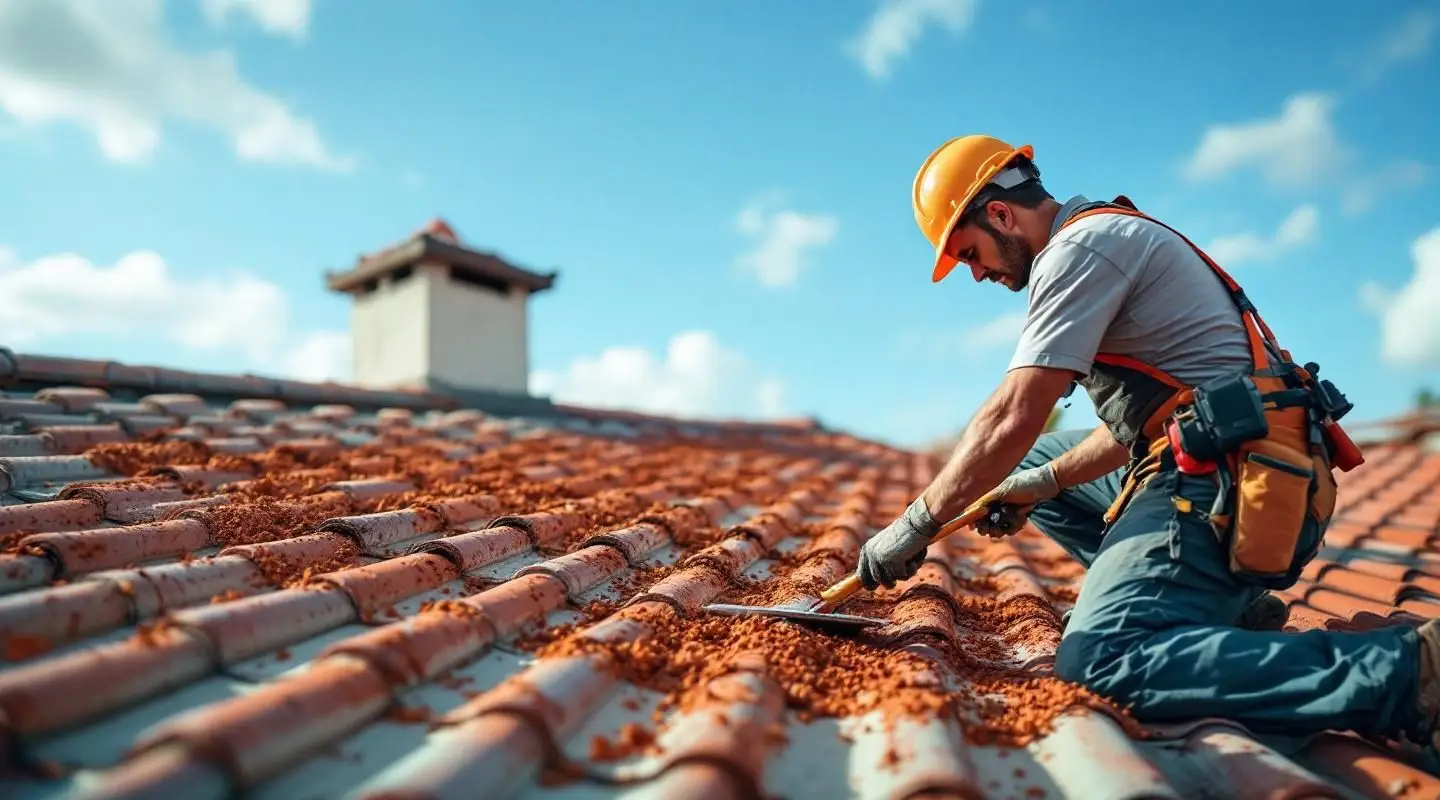
Fired clay tile roofing represents one of the most durable, structurally sound investments you can make for a commercial property in the Willamette Valley. Unlike lighter, temporary materials that require replacement every few decades, a properly installed clay tile system can easily protect a building for a century or more. However, this longevity depends entirely on precision engineering. Because of the substantial weight of these materials, our first step always involves a rigorous dead load calculation to ensure your building’s structural framing can safely support the system. In Salem, where winter rain is relentless and seasonal temperature swings bring frost, selecting a tile with high freeze-thaw resistance is non-negotiable.
The secret to a dry commercial interior lies beneath the tile itself. Our crew uses a multi-layered, high-temperature underlayment membrane secured to robust tile battens, creating a redundant drainage plane that sheds water even if a tile eventually cracks. Whether your property features a traditional steep pitch or requires a specialized low-slope tile adaptation, we tailor the installation method to match. From traditional mortar-set installation to mechanical fastening systems, experienced technicians from our company handle every detail. We pay close attention to complex transition areas, ensuring flawless flashing at parapets and roof penetrations to prevent water from pooling during heavy November downpours.
Beyond sheer water shedding, clay tile acts as an exceptional thermal mass roofing system. It naturally insulates your facility by absorbing daytime heat and releasing it slowly at night, which directly lowers your summer cooling bills. Many of our premium tile options offer excellent cool roof compliance under Oregon’s commercial energy codes, helping you meet local environmental standards while reducing operating costs. When you compare clay tile to a standard concrete tile comparison, clay offers superior color retention and lower moisture absorption, making it the clear winner for long-term asset management. We coordinate the entire process, from initial structural reviews to the final manufacturer warranty transfer, ensuring your investment is fully protected.
Investing in fired clay tile for your Salem commercial building isn’t just about aesthetics; it’s a calculated decision to install a 100-year roof system. Unlike standard asphalt or single-ply membranes that degrade under constant UV exposure and winter rains, clay tiles offer exceptional freeze-thaw resistance. This is critical during our damp Willamette Valley winters when trapped moisture can crack lesser materials. By choosing clay, you establish a permanent shield that handles heavy weather without flinching.
Beyond sheer survival, these roofs act as a powerful thermal mass roofing system. The natural air gap created by tile battens combined with the dense clay material slows heat transfer into your building. This keeps your cooling costs manageable during dry, hot July afternoons. When you partner with our team of professional roofers, we ensure every detail—from the initial dead load calculation to the flashing at parapets—is executed to code. This meticulous installation safeguards your structure while driving down your long-term operational expenses.
Thermal Mass Efficiency — Natural clay tiles regulate indoor temperatures, lowering summer cooling bills for your facility.
Class A Fire Rating — Fired clay provides the highest level of fire resistance, protecting your commercial asset from external hazards.
Freeze-Thaw Resistance — High-density clay prevents moisture absorption, stopping tiles from cracking during Salem's winter temperature swings.
Century-Long Lifespan — A properly installed tile system easily outlasts three generations of standard commercial membrane roofs.
Warranty Transferability — Our manufacturer warranty transfer options protect your investment and add substantial resale value to the property.
Clay tile is traditionally designed for steeper pitches, but a low-slope tile adaptation is possible with the right engineering. For flat or very low slopes, we do not install loose tiles directly over a standard deck. Instead, we build a robust, multi-layered waterproof underlayment membrane system first, then elevate the tiles on a specialized system of tile battens to ensure proper drainage. This allows you to get the classic look and thermal benefits of Clay Tile Roofing for Salem Commercial Properties without risking pooled water. We always verify that your Salem building’s pitch meets the manufacturer’s minimum limits before we begin.
Fired clay tile is heavy. It weighs significantly more than asphalt or TPO, meaning a precise dead load calculation is non-negotiable. Before installing Clay Tile Roofing for Salem Commercial Properties, we coordinate with a licensed structural engineer to evaluate your building’s framing. Some older structures in Salem require structural reinforcement to handle the weight safely. When doing a concrete tile comparison, clay is often slightly lighter but still demands a rigorous check. We handle the engineering coordination and work directly with the City of Salem building officials to secure the necessary commercial permits before any materials arrive at your job site.
Our Willamette Valley winters are notoriously wet, and Salem does experience distinct freeze-thaw cycles. Low-quality tiles absorb water, which then expands and cracks the material when temperatures drop. We only install high-grade tiles with verified freeze-thaw resistance that meet ASTM standards. To protect your investment, we avoid outdated mortar-set installation methods on exposed edges, opting instead for mechanical fasteners and secure hip and ridge caps that won’t wiggle loose. When you browse all our services, you’ll see we focus heavily on weatherproofing. This meticulous approach ensures your Clay Tile Roofing for Salem Commercial Properties stands up to decades of Oregon rain.
A properly installed clay roof easily lasts 50 to 100 years, outliving almost any other material. It also provides an exceptional Class A fire rating, which is a major benefit for commercial assets. However, the tiles themselves outlast the underlying materials. While the clay remains intact, you must plan to replace the underlayment and flashing at parapets every 20 to 30 years. Annual maintenance for Clay Tile Roofing for Salem Commercial Properties involves clearing debris from valleys, checking for slipped tiles, and ensuring a smooth manufacturer warranty transfer if you ever sell the building. Our team handles these inspections to keep your Salem property dry.
Yes, absolutely. Clay is an exceptional thermal mass roofing material. Unlike thin membranes that transfer solar heat directly into your plenum space, clay tiles absorb heat during the day and release it slowly at night. This natural delay significantly lowers your summer cooling costs. Many modern clay tiles are also designed for cool roof compliance, reflecting solar radiation away from your building. When specifying Clay Tile Roofing for Salem Commercial Properties, we help you select profiles and glazes that maximize these energy-saving properties, keeping your tenants comfortable and your utility bills manageable in the Salem heat.
Investing in fired clay tile is a long-term decision that requires exact engineering, from the initial dead load calculation to the final mortar-set installation of the hip and ridge caps. Whether you need a full structural assessment for an historic downtown Salem building or want to verify cool roof compliance for a new build, our crew is ready to walk you through the technical specifications and manufacturer warranty transfer details.
We do not cut corners on underlayment membranes or tile battens. Let’s discuss your property’s pitch, structural capacity, and aesthetic goals to build an accurate, transparent bid that protects your investment for the next fifty years.
When investing in fired clay tile for a commercial building, you cannot afford to hire a general contractor who treats specialty masonry like standard asphalt shingles. At Willamette Peak Roofing, we bring decades of dedicated commercial roofing experience to the Willamette Valley, ensuring your high-value asset is handled by true specialists. Unlike national chains that fly in transient crews, our local team understands Salem’s specific building codes and the unique microclimates of Marion County. We handle everything from the initial dead load calculation to coordinating with structural engineers, ensuring your facility can safely support the substantial weight of a premium tile system.
We do not cut corners on the critical components that keep your building dry. Our technicians are highly trained in complex mortar-set installation techniques, proper placement of tile battens, and securing heavy hip and ridge caps against high winds. We install high-temperature underlayment membrane systems that exceed minimum code requirements, protecting your decking during our wet winter months. When you partner with Willamette Peak Roofing, you receive a clear, upfront proposal with no hidden fees, backed by our commitment to securing a full manufacturer warranty transfer upon project completion. Browse all our services to see how we safeguard local properties, or contact us today to discuss your commercial project.
Choosing a roof for a commercial building in Salem is not just about aesthetics; it is about managing long-term operational risk. Our wet Willamette Valley winters put immense stress on commercial structures, making material durability a critical financial decision. Fired clay tile offers exceptional freeze-thaw resistance, preventing the cracking and spalling common with a standard concrete tile comparison. However, installing these heavy systems requires a precise dead load calculation before any work begins to ensure your building’s structural framing can safely support the weight. Our team coordinates directly with structural engineers to verify these limits, protecting your property from structural strain.
Beyond weather protection, a clay tile roof acts as a thermal shield for your business. The natural thermal mass roofing properties of clay slow down heat transfer, keeping your facility cooler in the summer and reducing demand on your HVAC systems. This helps with cool roof compliance under Oregon’s statewide energy code. Additionally, these systems carry a Class A fire rating, offering the highest level of fire resistance available, which can positively affect your commercial property insurance premiums. It is a long-term investment that pays dividends through lower utility costs and reduced risk.
A tile roof is only as reliable as the components beneath it. If a contractor cuts corners on the underlayment membrane or fails to install proper tile battens, water will eventually find its way to the decking. The experienced technicians on our crew pay meticulous attention to critical transition zones, ensuring robust flashing at parapets and secure hip and ridge caps. Getting these details right the first time prevents premature system failure and ensures you can secure a full manufacturer warranty transfer if you ever sell the property. We use high-temperature, self-adhering underlayments designed to match the 50-plus year lifespan of the clay itself.
Managing a commercial property in the Willamette Valley means constantly preparing for rain.
Learn more
In Salem, commercial properties face a relentless cycle of heavy winter rains and damp, overcast seasons that accelerate wear on traditional flat roofs.
Learn more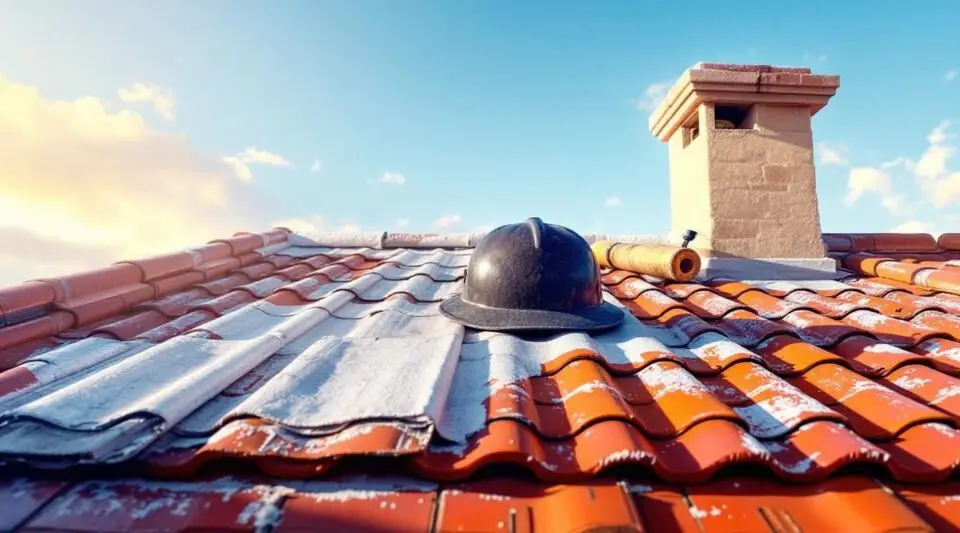
Commercial Spanish tile roofing brings a striking, historic aesthetic to Salem business properties, but executing it correctly at a commercial scale requires deep technical expertise.
Learn more
In the Willamette Valley, commercial buildings face a relentless wet season that tests the integrity of every seam and flashing.
Learn more
In the Willamette Valley, commercial flat roofs face a relentless battery of damp winters, pooling rainwater, and aggressive moss growth.
Learn more
Investing in a natural slate tile roof for your commercial property in Salem is a decision that spans generations.
Learn more
Commercial properties in the Willamette Valley face a relentless combination of heavy winter rainfall, moss growth, and seasonal windstorms.
Learn more
In Salem and the surrounding Willamette Valley, commercial flat roofs face relentless seasonal stress.
Learn more
In the Willamette Valley, commercial facilities face a relentless combination of heavy winter rainfall and sudden winter freeze-thaw cycles.
Learn more
Low-slope roofing in Salem faces a brutal cycle of prolonged winter moisture and intense summer UV exposure.
Learn moreWe hired Santa Ana Roofing to fix our flat roof. They talked about the materials they used and made sure the sealing was done correctly. The process went well, and the results have stayed nice.
Linda Gregory
This roofing company went above and beyond what I expected. They employed high-quality materials, kept us updated on the project's progress, and finished ahead of schedule. The new roof looks great, and I trust the work they did.
Debbie Land
We had an issue with our roof leaking at the office, and they came in, replaced the shingles, and fixed the damage. Professional and reliable.
Beatrice Taylor
After getting a roof inspection, they recommended replacing the shingles. The job was done on time, and the new roof looks fantastic.
Angelia Eichelberger
Santa Ana Roofing just put a new roof on our house. They gave a clear quote and a schedule that made sense. The workers worked hard every day and kept the job site clean. A professional put the roof on, and it looks great. Everything seemed easy and well-planned.
Anna Miller